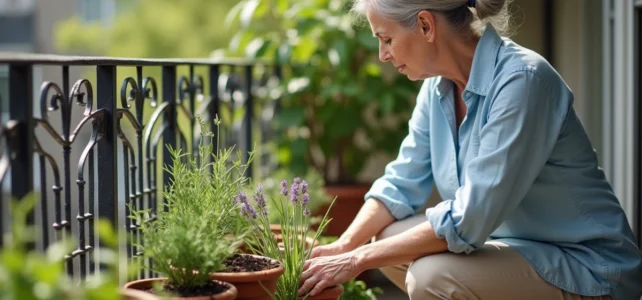
A parent who forgets to drink during the day, a neighbor who gives up their walk because they are afraid of falling: these ordinary situations often signal a silent shift towards loss of autonomy. Preserving the health of seniors on a daily basis relies on concrete, repeated adjustments tailored to each age group.
Seniors aged 85 and older: why prevention changes nature
A senior aged 65 and another aged 88 do not face the same vulnerabilities. The number of seniors experiencing loss of autonomy is expected to increase significantly by 2050, with a growing concentration among people aged 85 and older. This observation necessitates distinguishing between two prevention strategies.
Before age 75, the main challenge remains maintaining muscle mass, bone density, and social connections. After age 85, the priority shifts to fall prevention, identifying cognitive vulnerabilities, and adapting the living environment. Confusing these two approaches is akin to offering an aquagym program to someone who first needs a grab bar in their bathroom.
You can discover Bee Healthy for seniors to identify the most suitable preventive measures for each situation.
Adapted physical activity: what truly protects seniors’ autonomy
Have you ever noticed that a senior who walks every day maintains better balance than another, who is younger, but sedentary? Physical activity in older adults is not aimed at performance. It targets three specific functions: balance, muscle strength, and joint flexibility.
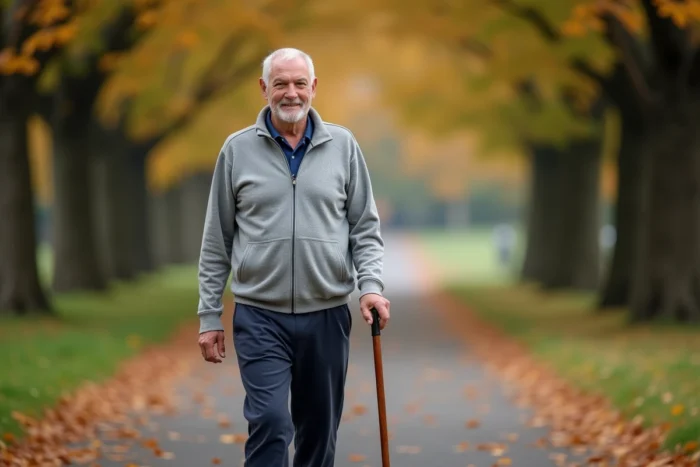
Moderate physical activity, even light, yields measurable benefits. Seniors who already suffer from heart problems, diabetes, or arthritis can exercise safely, provided the program is adapted. Conversely, lack of activity remains a risk factor for many pathologies.
Three types of exercises complement each other well:
- Daily walking (even 20 minutes) maintains the cardiovascular system and step coordination, which directly reduces the risk of falling.
- Gentle muscle strengthening exercises (getting up from a chair without using hands, carrying light loads) preserve muscle mass, which naturally decreases with age.
- Stretching or tai chi improve joint flexibility and proprioception, which is the body’s ability to position itself in space.
Starting with just 10 minutes a day is enough to initiate a virtuous cycle. The goal is not to follow a sports schedule, but to move regularly, without pain.
Seniors’ nutrition: the silent mistakes that accelerate fragility
Malnutrition affects a significant portion of older adults living at home, and it often goes unnoticed. With age, the sensation of fullness arrives more quickly, thirst is less felt, and meals become lighter without the person realizing it.
The first reflex to adopt: maintain three meals a day, supplemented by snacks (a yogurt, a piece of fruit, a piece of cheese). Skipping lunch because one is “not hungry” triggers a cycle of muscle loss and fatigue that worsens sedentariness.
Proteins deserve special attention. Eggs, fish, meat, or legumes: having at least one source of protein per meal helps the body maintain its musculature. Dairy products, rich in calcium, help limit bone loss.
Dehydration is the most common trap among seniors. The sensation of thirst decreases with age. Drinking water, herbal teas, or soups regularly, even without feeling thirsty, becomes a preventive measure in itself.
Mental health and social connection: a direct lever on seniors’ autonomy
A senior who sees their loved ones every week, participates in a group activity, or simply chats with their neighbor retains better cognitive abilities than an isolated person. This observation is documented by numerous studies in geriatrics, but it remains underestimated in daily life.
Social isolation accelerates cognitive decline and exacerbates depressive symptoms. In older adults, depression often takes deceptive forms: persistent fatigue, loss of appetite, withdrawal, without apparent sadness. A lasting change in behavior always deserves medical advice.

Some concrete levers to maintain social connections daily:
- Participate in collective workshops in assisted living or community centers (gentle gymnastics, memory games, shared cooking).
- Maintain regular phone contact with family, scheduling fixed times instead of waiting for a spontaneous call.
- Request home visit associations for people with reduced mobility to break isolation without requiring travel.
A case study conducted in a senior residence in Lyon showed that structured actions (fall prevention modifications, adapted physical activity workshops, systematic identification of vulnerabilities) produced concrete results in reducing falls and maintaining autonomy.
Housing adaptations: preventing falls before they occur
Falling is the leading cause of loss of autonomy among older adults. In most cases, it occurs at home, in familiar rooms: bathroom, kitchen, stairs. Adapting the living environment significantly reduces the risk of falling.
The most effective modifications are also the simplest. Installing grab bars near toilets and in the shower, removing slippery rugs, improving lighting in hallways, and installing switches accessible from the bed. These changes do not require a considerable budget, but their impact on daily safety is direct.
A professional housing assessment can identify risk areas that habit renders invisible. A two-centimeter step between two rooms, an electrical cord crossing the passage, a chair too low to get up from alone: these details become real dangers after age 80.
The distinction between life expectancy and healthy life expectancy summarizes the entire issue. In France, life expectancy reaches 83 years, but healthy life expectancy is around 64 years. Adapting one’s diet, moving daily, maintaining social connections, and securing one’s living environment are the most effective levers to preserve this autonomy at every stage of aging.