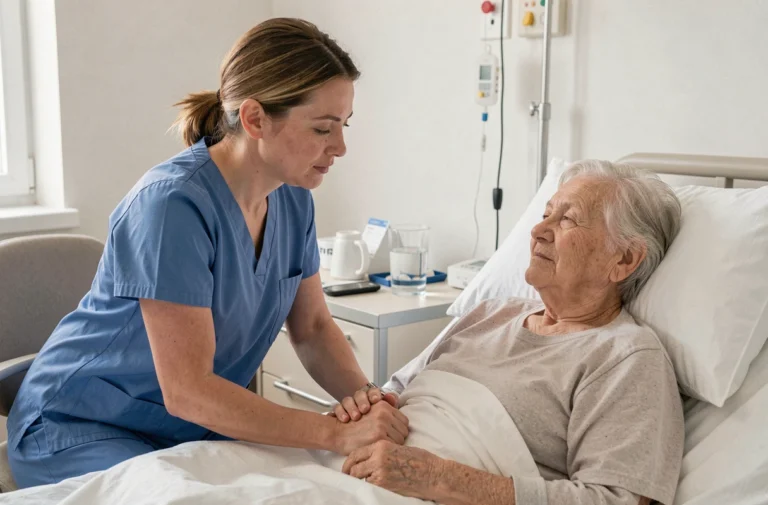
The healthcare sector in Morocco is undergoing a period of structural changes. With the deployment of new healthcare facilities in several regions, the revision of the Drug and Pharmacy Code, and the gradual digitization of the patient journey, health-related current events are multiplying. Keeping up with these developments requires reliable sources that can cover both regulations and therapeutic advancements.
Revision of the Drug and Pharmacy Code: What Bill No. 27.26 Changes
The Commission for Social Sectors of the House of Representatives has adopted Bill No. 27.26 amending and supplementing Law No. 17.04 relating to the Drug and Pharmacy Code. This adoption in committee marks a step forward, but it does not mean that all provisions are already in effect.
This type of reform directly affects healthcare professionals: pharmacists, distributors, laboratories. The changes focus on regulating the drug supply chain, from manufacturing to dispensing. For practitioners following the latest news on Doctinews, this legislative initiative is one of the issues to watch closely, as its practical implications remain to be clarified through subsequent implementing decrees.
The committee’s adoption does not yet provide details on the modified articles or the promulgation schedule. This area of uncertainty requires stakeholders in the pharmaceutical sector to remain vigilant regarding the progress of the text in Parliament.

New Healthcare Facilities: Local Offer Expands in Six Regions
Fifteen new healthcare facilities have come into service in six regions of Morocco. This deployment addresses a documented need: bringing healthcare services closer to populations far from major cities.
The question at hand is not so much the number of facilities but their actual capacity to operate. A healthcare facility without a sufficient number of qualified staff, without operational technical platforms, or without regular supplies of medications only fulfills part of its mission.
Local Care and Territorial Coverage in Morocco
Territorial coverage remains a central issue in Moroccan health policy. Medical coverage is not only measured by the number of facilities opened but by their actual accessibility for patients.
- The distance between home and the nearest healthcare center often determines whether care is sought or avoided, especially in rural areas.
- The recruitment of doctors and nurses in remote areas is crucial for the viability of these new facilities.
- Supply of medications and medical devices must keep pace with openings to avoid under-equipped facilities.
Data is still lacking to assess the concrete impact of these openings on local health indicators. No consolidated public report currently allows for measuring attendance or the pathologies addressed in these new centers.
Digital Transformation of the Care Pathway in Morocco
The Ministry of Health has presented a new version of the Chikaya platform, aimed at improving interaction between citizens and the health administration. In parallel, two digital initiatives have been mentioned: the deployment of the shared medical record and the establishment of the electronic care sheet.
These tools aim to streamline the patient journey and reduce information loss between different levels of care. The shared medical record, if effectively deployed on a large scale, could allow a doctor to consult a patient’s history without relying on often incomplete paper records.
Known Limitations of Health Digitization
The electronic care sheet requires a technical infrastructure that not all healthcare facilities possess. Internet connectivity remains uneven across regions, creating a gap between digital ambitions and on-the-ground reality.
Training healthcare professionals on these new tools is another determining factor. A shared medical record software is only valuable if practitioners systematically and structuredly input data.
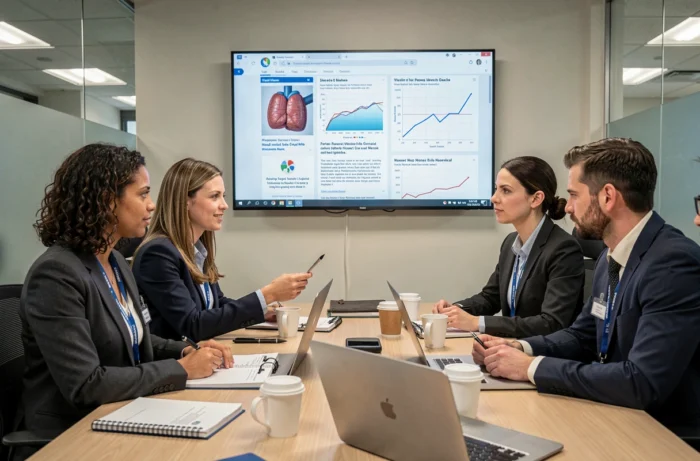
Scientific and Therapeutic News: Topics Followed by Specialized Media
Beyond structural reforms, health news in Morocco covers specific medical themes. Mental health, organ donation and transplantation, and obesity as a public health issue in Morocco are among the topics regularly addressed by medical information magazines.
Obesity, for example, was the subject of a feature in Doctinews, highlighting the increase in cases and the consequences on the healthcare system. This type of editorial coverage allows practitioners to have contextualized analyses grounded in the Moroccan epidemiological reality.
Scientific Agenda and Continuing Education
Scientific events organized in Morocco also contribute to health news. Medical congresses, continuing education days, therapeutic protocol presentations: these events structure the professional lives of doctors and pharmacists.
- Congress allows for comparing local practices with international recommendations.
- Continuing education days meet a professional obligation and a need to update knowledge.
- Publications in specialized journals like Doctinews provide online access to therapeutic files and editorials from recognized practitioners.
Regularly consulting a specialized medical information magazine on the Moroccan sector remains the most direct way to follow these developments. Health monitoring is not just for institutions: it is part of the daily life of practicing healthcare professionals.
The pace of health reforms in Morocco shows no signs of slowing, with the opening of facilities, digital initiatives, and regulatory changes. Each of these topics deserves regular monitoring, as implementing decrees and concrete assessments often lag behind initial announcements. It is precisely this lag that makes vigilance necessary for any stakeholder in the sector.